3-Day Rome Itinerary For Your First Visit
This 3-day Rome itinerary for your first visit to the Eternal City is important so that you have a great vacation full of memories to take with you back home.
If you are planning your first trip to Rome, then these recommendations are for you. There are a lot of beautiful historical sites, neighborhoods, shops and restaurants around Rome and it is easy to get overwhelmed. You could work with a tour company, but if you are like us and you like to plan your own adventure, you might consider using this as a framework that you can update as you see fit.
This itinerary assumes you will only be in Rome for three days, it assumes you aren’t on a pilgrimage so your focus isn’t solely on religious sites and it assumes it isn’t too hot and you are able to walk around for the entire day. I know the summer months can be difficult for that, so if it is too hot, you should add in more water breaks.
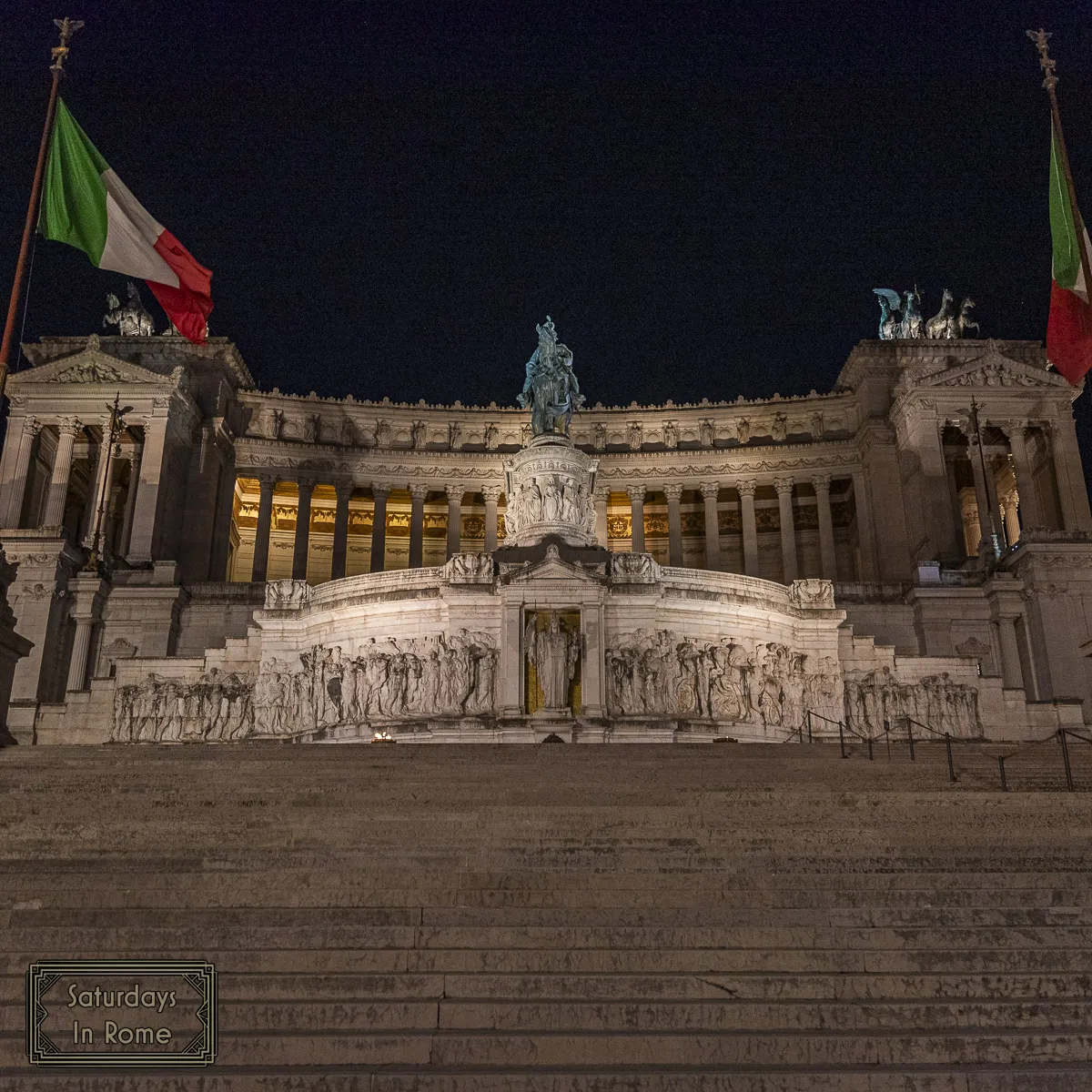
My other assumption is that since I would have no way to know your starting point, i.e. which hotel, Airbnb, hostel, cruise ship, etc. you are staying in, I am assuming a starting point that is fairly central where you can enjoy the Piazza Venezia History.
Love this plan? Grab the free, printable 3-Day Rome Itinerary PDF — every stop, restaurant, and tip from this post in one document you can take with you.
Rome Travel Itinerary Day 1
- Visit The Colosseum for your Underground Tour.
- After the tour, walk over to your lunch at Trattoria Morgana.
- Visit Bocca della Verità
- Walk over to the Pantheon, but on your way you should stop for a coffee at Tazza d’Oro
- Head out for an aperitivo at a rooftop bar like the Hotel Forum.
- Enjoy a long dinner at Vecchia Roma in either Esquilino or Monti.
Rome Travel Itinerary Day 2
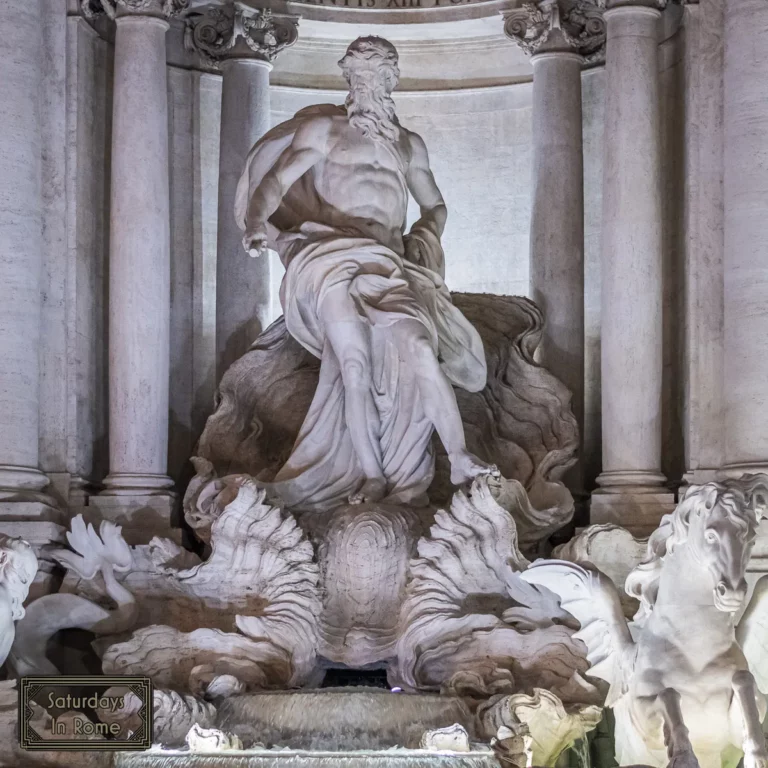
- Head towards Trevi Fountain and get there before the crowds
- Continue on to the Spanish Steps and start with a coffee and cornetto at Caffè Greco
- While you walk down Via del Corso and Via del Babuino, take notice of the Talking Statues
- Enjoy the Spanish Steps and walk down to the Borghese Gardens
- Stop at Pizzeria da Michele for lunch
- Stop for coffee at Rosati or Canova
- Take a leisurely stroll to Cacio e Pepe for dinner
Rome Travel Itinerary Day 3
- Head to Vatican City, visit the Basilica di San Pietro and climb the Cupola di San Pietro
- Stop for lunch at Tony and Dino’s
- Walk around Prati for some casual shopping
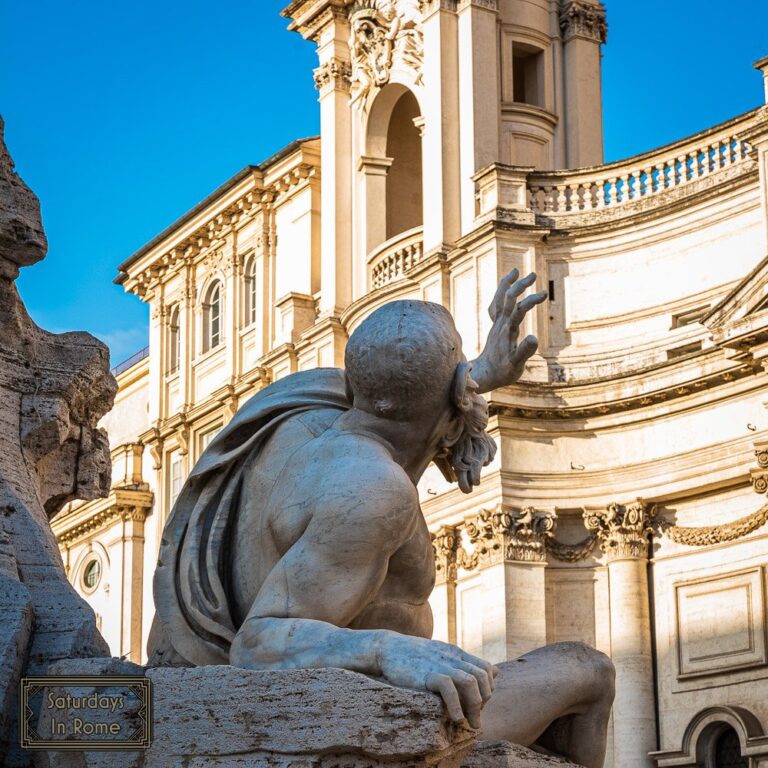
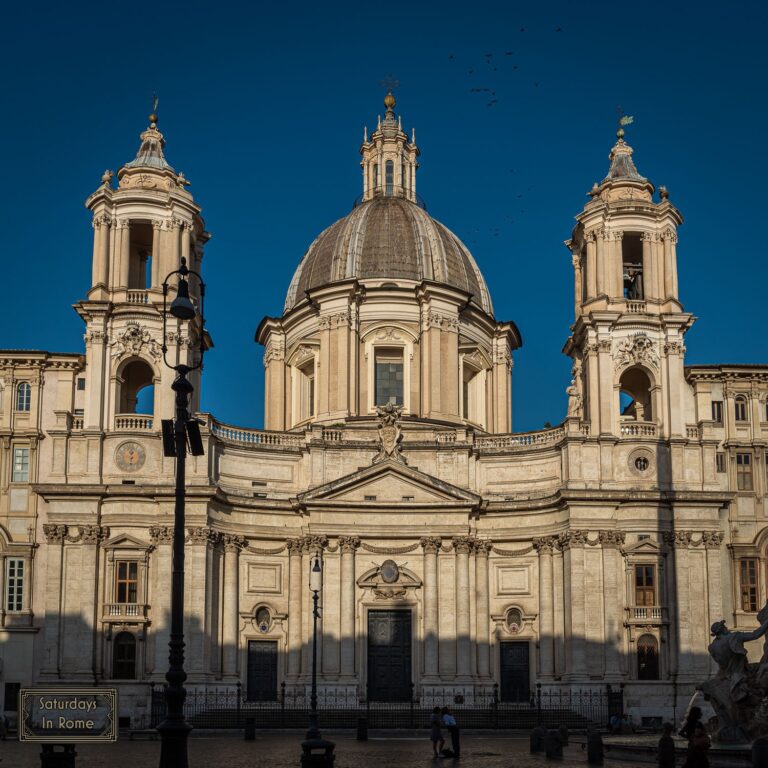
- Visit the outside of Castel Sant’Angelo, cross the Ponte Sant’Angelo and walk over to Piazza Navona, taking notice of another Talking Statue.
- Have a coffee in Piazza Sant’ Eustachio at Il Caffè
- Head towards Roscioli for dinner
- Top off the night with gelato at Fatamorgana.
That was a full three days. Now is the time to relax and reflect on all the great sites you saw, all the delicious food you ate and how great Italian coffee is. If you missed any of the recommendations, you should consider adding them to the front of your itinerary for your second trip to Rome.
Want This Itinerary in Your Pocket?
Everything above, including the sites, the restaurants, the timing, the maps, is also available as a free, downloadable 3-Day Rome Itinerary you can pull up on your phone while you’re out walking. No need to scroll back through this post looking for that restaurant name or bus number.
Some of The Sites From The Rome Travel Itinerary
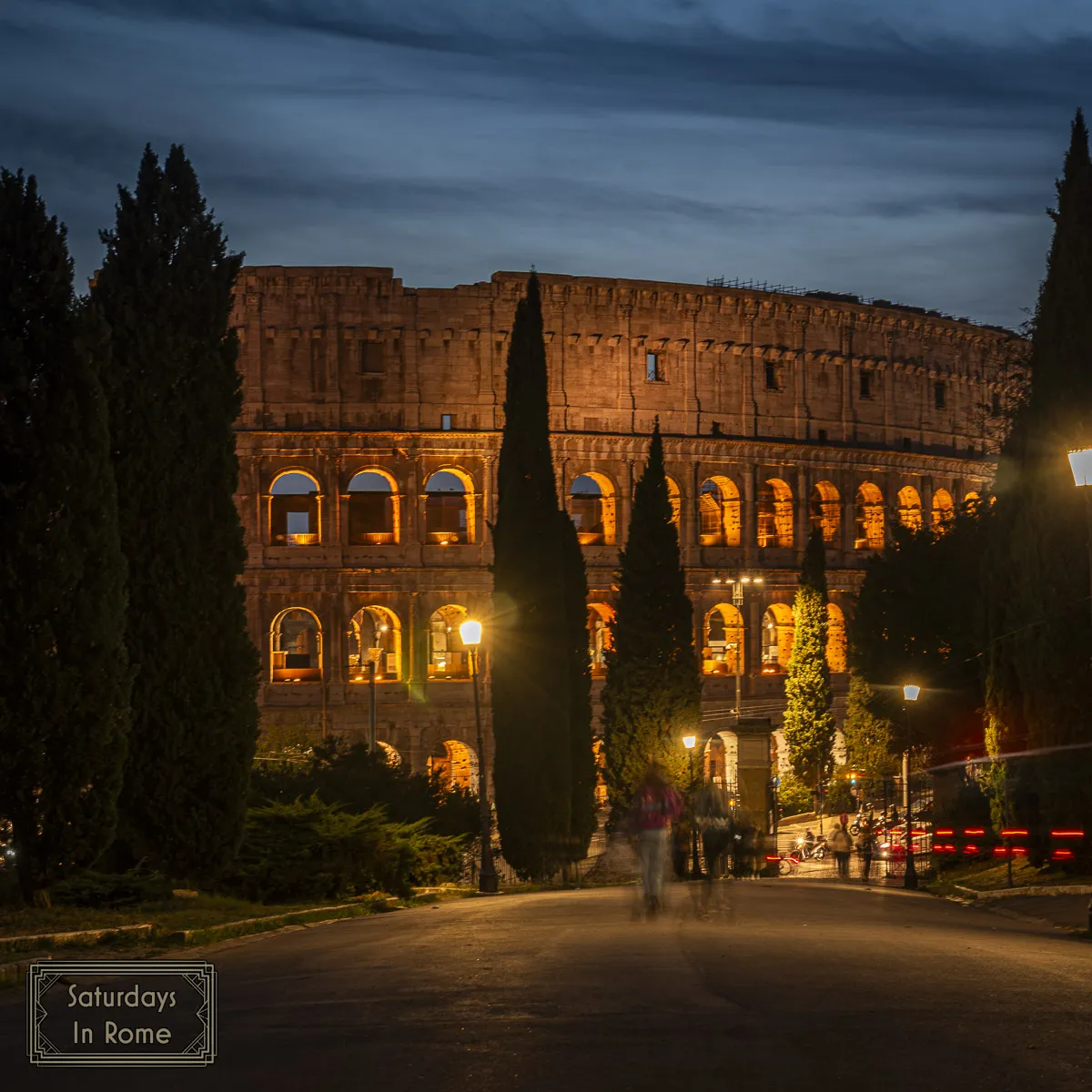
The Colosseum
The Colosseum in Rome (il Colosseo) is an amazing structure with a long history that spans more than 2,000 years. The Colosseum, also known as the Flavian Amphitheater, was considered a gift to the Roman people by the Emperor and that is a gift that still keeps giving, but now to the world.
A Brief History Of The Colosseum
The Colosseum functioned the same as the stadiums of today, to provide entertainment to the masses in Rome. It did this by providing a stage for the exotic animals captured in all corners of the Roman Empire, to build the support for the emperors amongst the Roman people, to showcase the latest Roman engineering and to stage reenactments of famous Roman battles.
There are two surprising facts that I learned while touring the amphitheater (meaning “theater in the round”). First, all the Colosseum’s major events were free to the public. The emperors themselves would pay for them. This public gift was a way to gain favor of the people of Rome. This obvious bribe is still practiced today by politicians across the world. The second thing I learned from our tour guide is that contrary to popular belief Christians were never martyred in Il Colosseo. The guides try to make this abundantly clear, which isn’t to say a lot of people didn’t die there. They did! There were particularly brutal games in which 10,000 animals were killed in a single day.
How Big Is The Colosseum?
This massive elliptical structure is four stories high and approximately 620 x 513 feet. It has 80 entrances and exits, which is something to think about if you have ever been to a modern stadium and waited more than 30 minutes to exit because of the crowds. To compare the sizes to Football or more appropriately Baseball stadiums of today, the Colosseum could hold around 50K spectators and that is approximately the same size as Yankee Stadium, which can hold up to 54K fans. It is an impressive size, but Football still wins, with Cowboys Stadium holding up to 80k spectators.
What Is Inside The Colosseum?
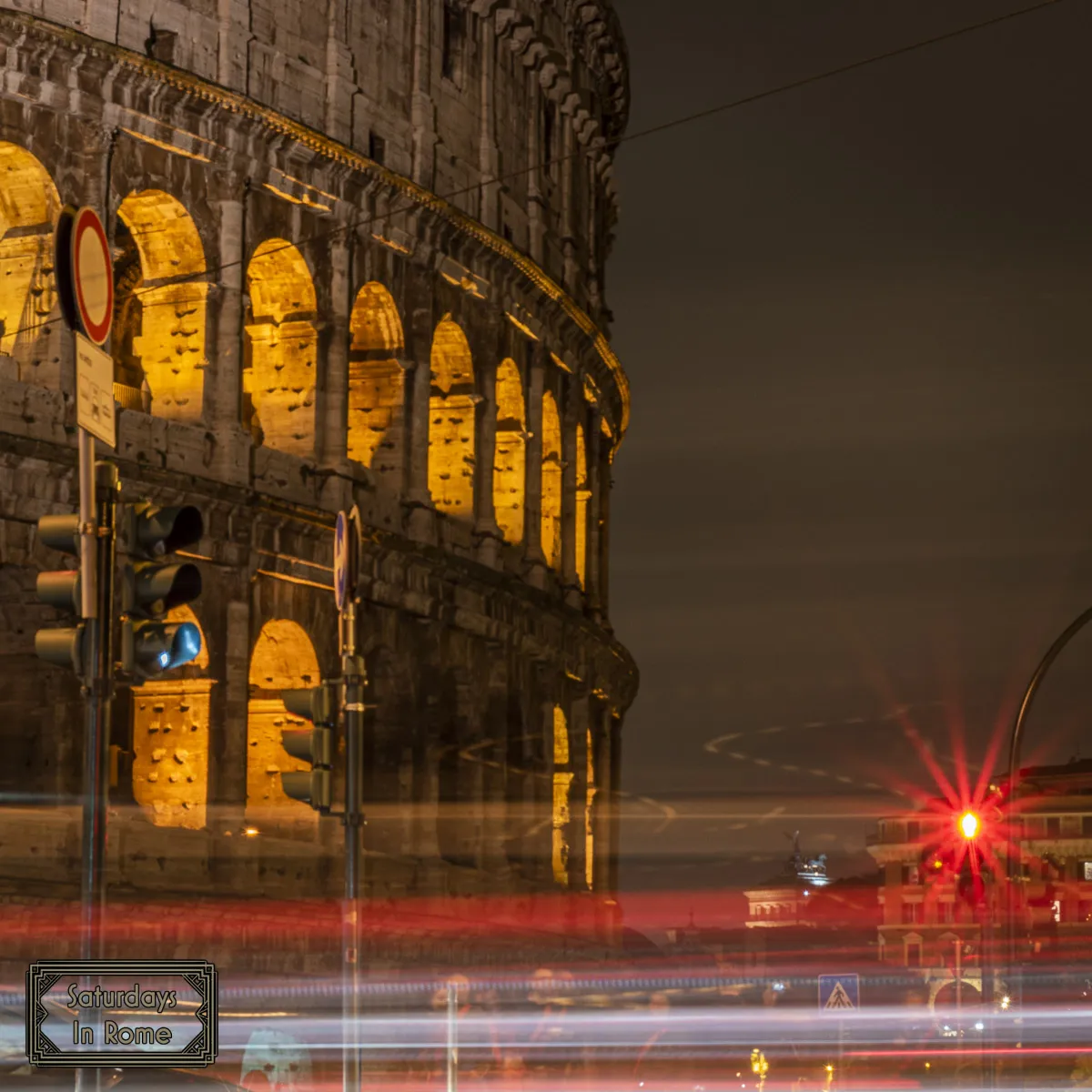
Below the Colosseum floor there are the remains of numerous rooms and underground passages. There were trap doors and elevators used to launch the animals and gladiators onto the main floor. Pulley systems were also used to raise and lower scenery used for elaborate battle reenactments. There is even an elaborate drainage system that was used to flood the arena and reenact naval battles with specially trained swimming horses and bulls.
The stands were divided into sections according to social standing. The emperor carefully managed the separation of the different classes at all public spectacles. The Ima Cavea section was reserved for the emperor, politicians and vestal virgins, with their names having been written on their seats. The higher you go in the stadium, the poorer you were, with the top level available to the lowest class and the slaves.
The Pantheon
One of the most beautiful and well preserved ancient sites in Rome is the Pantheon. Built in the Piazza della Rotonda, this is the Pantheon’s third version and it is the only ancient building in Rome in continuous use since its construction. The first version was built during the reign of Emperor Augustus and commissioned by the famous Roman general Marcus Agrippa. Agrippa and the Emperor were friends and he eventually became the son-in-law of the Emperor after marrying his daughter.
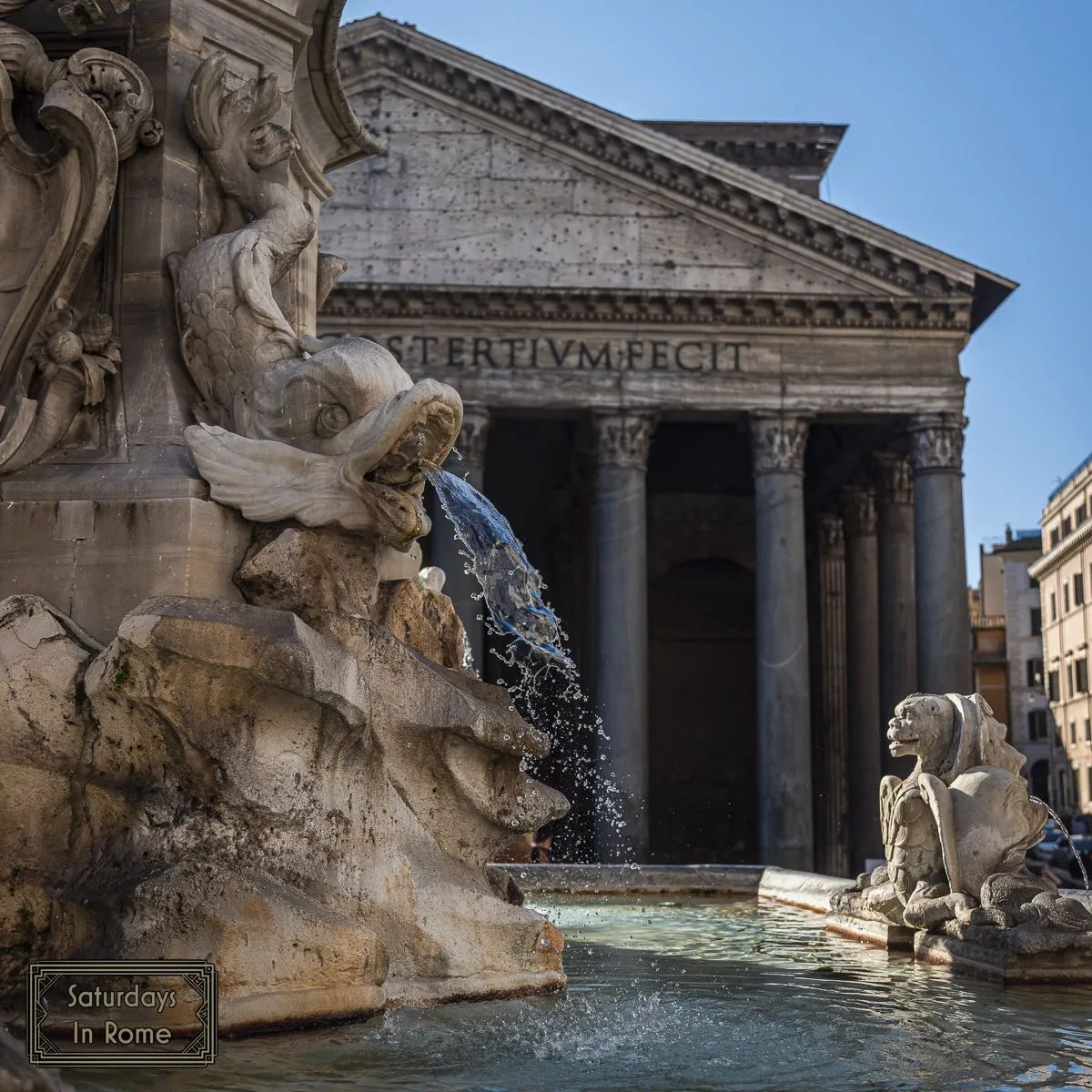
The name Pantheon is a dedication to All Gods which speaks to the polytheism of the Roman Empire, but also refers to the statues of the 12 major Roman deities that were placed around the building.
The first version of the Pantheon, which was started in 27 BC and completed in 17 BC, burned to ground. The exact form of the Pantheon is debated because of the destruction of everything except for the façade. It was rebuilt under Emperor Domitian in 80 AD, but it burned down a second time in 110 AD. The third version of this temple was built in 127 AD under the reign of Hadrian. The structure of the building was wood, which is why it was able to burn down repeatedly.
Outside The Temple
The Pantheon, with its circular foundation, was made to look like a Greek temple with a portico of 16 enormous Corinthian columns and cross-beams under a pediment. The columns are 40 feet tall, 15 feet around and each is made of a single piece of granite. The walls are a shell of bricks filled with poured concrete.
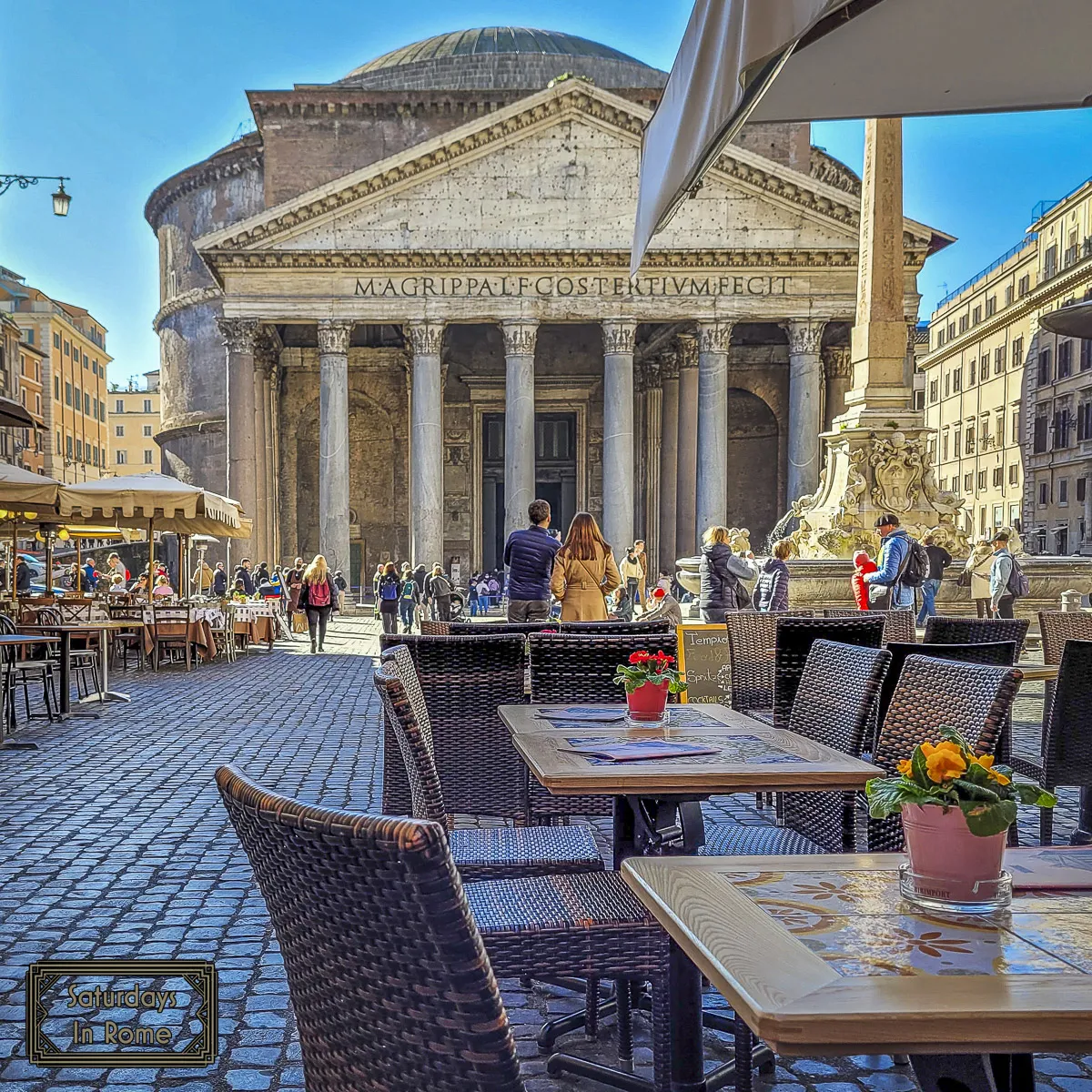
The Pantheon Fountain (la Fontana del Pantheon) is located outside the Pantheon in the Piazza della Rotonda and was commissioned by Pope Gregory XIII. It is topped with an Egyptian Macuteo obelisk that was created during the period of Ramses II and it was in a temple in ancient Rome dedicated to Egyptian Goddess Isis.
Inside The Temple
The dome inside the Pantheon makes it unique, and possibly the most influential dome in history. It is the model and inspiration for Cathedral (Cattedrale) dome in Florence, for Michelangelo’s dome in the Basilica of St. Peter and for the US Capital.
The most striking feature inside the Pantheon dome is the Oculus. Symbolizing a pathway to the heavens, this circular hole is at the center of the dome and the only source of natural light in the interior. It is open to the weather, which helps to keep it cool and well ventilated. There is drainage built into the floor with a 12 inch incline for rain to drain out.
The dome is as high off the ground as it is wide, 142 feet, with a perfectly semi-spherical shape. It is made of concrete, invented by Rome, heavier at the bottom and almost 20 feet thick, they get thinner as you ascend to around 5 feet thick.
Ponte Sant’Angelo
The Ponte Sant’Angelo is a pedestrian bridge that was originally named after the emperor Aelius Hadrian who built it between 130 and 136 A.D., although there are varying views on when it was exactly finished, to connect the city with the entrance to his mausoleum in the Castle Sant’Angelo on one side of the bridge. The sturdy build of this bridge is demonstrated in the fact that no flood of the Tiber has ever managed to overwhelm or damage it.
During the Middle Ages the name was changed to Saint Peter’s Bridge (Ponte San Pietro) as it provided, at that time, the only direct access to the Vatican and Saint Peter’s Basilica from the city, following the ruin of Nero’s Bridge. Over the centuries it was enlarged and rebuilt to meet new traffic requirements.
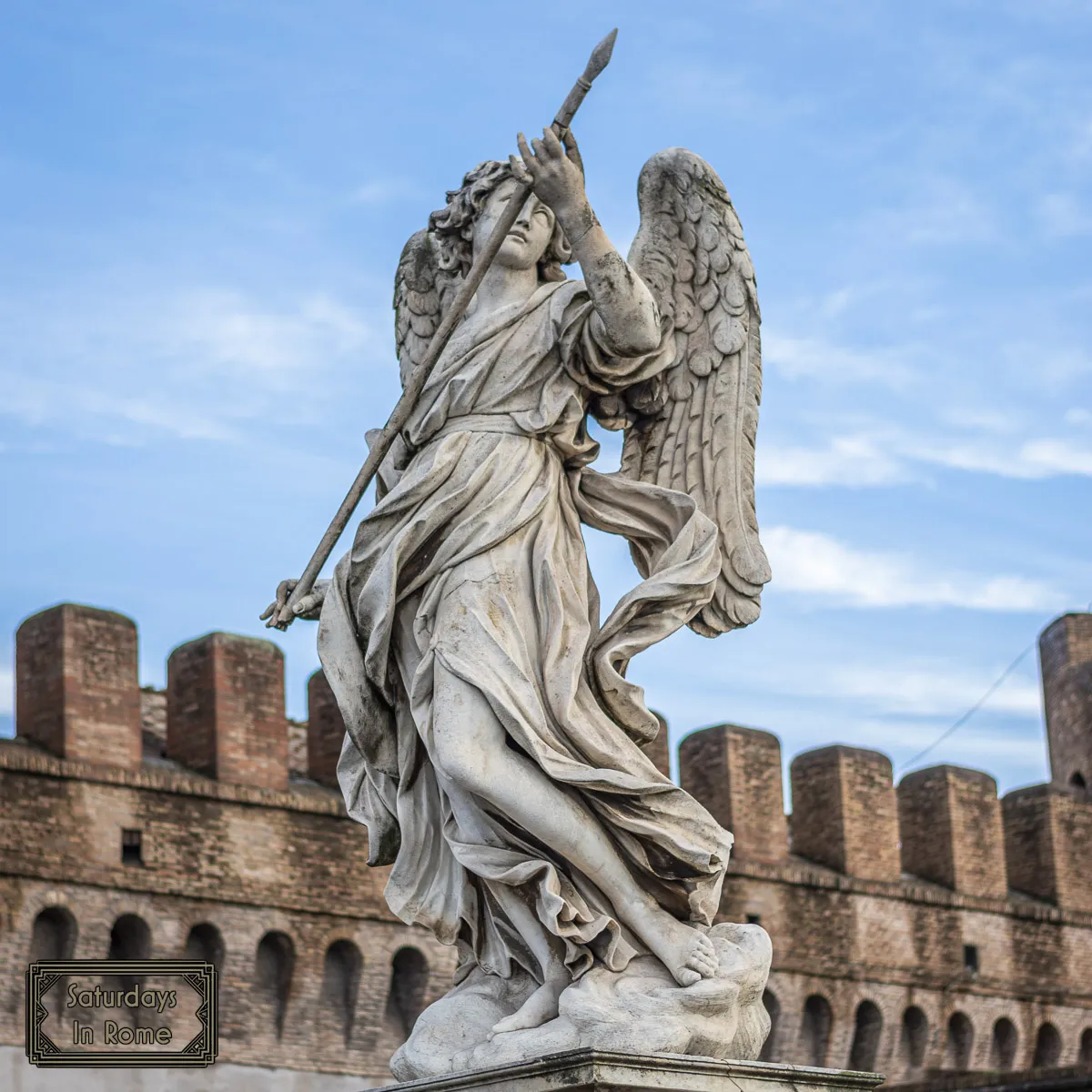
The importance of Ponte Sant’Angelo is because for centuries it was the main bridge to St. Peter’s Basilica, and the Vittorio Emanuele II Bridge, located downstream and closer to Saint Peter’s Basilica, was actually built at the end of the nineteenth century.
The bridge, currently called Sant’Angelo because of the statue of the Archangel on top of the castle, has suffered several may changes over the years, including having its towers demolished and two statues depicting Saint Peter and Saint Paul being added. Ten more statues of angels carrying the symbols of the Passion were added in 1668.
The history of this bridge is not all about beauty. For many years the square in front became one of the places where the death penalty was carried out and it was customary to expose the bodies of those executed on the bridge, as a warning to the population. The first show of punishment dates back to the year of 1500, but in the following years the hangings were so common that the people had a lot of fun saying:
“There are more severed heads on the shoulders than melons at the market”.
Vatican City
Vatican City is an independent country within the borders of the city of Rome and is its own sovereign territory with its own authority, jurisdiction and diplomatic independence. The Vatican City State is an ecclesiastical monarchy ruled by the Pope, who is the bishop of Rome and head of the Catholic Church.
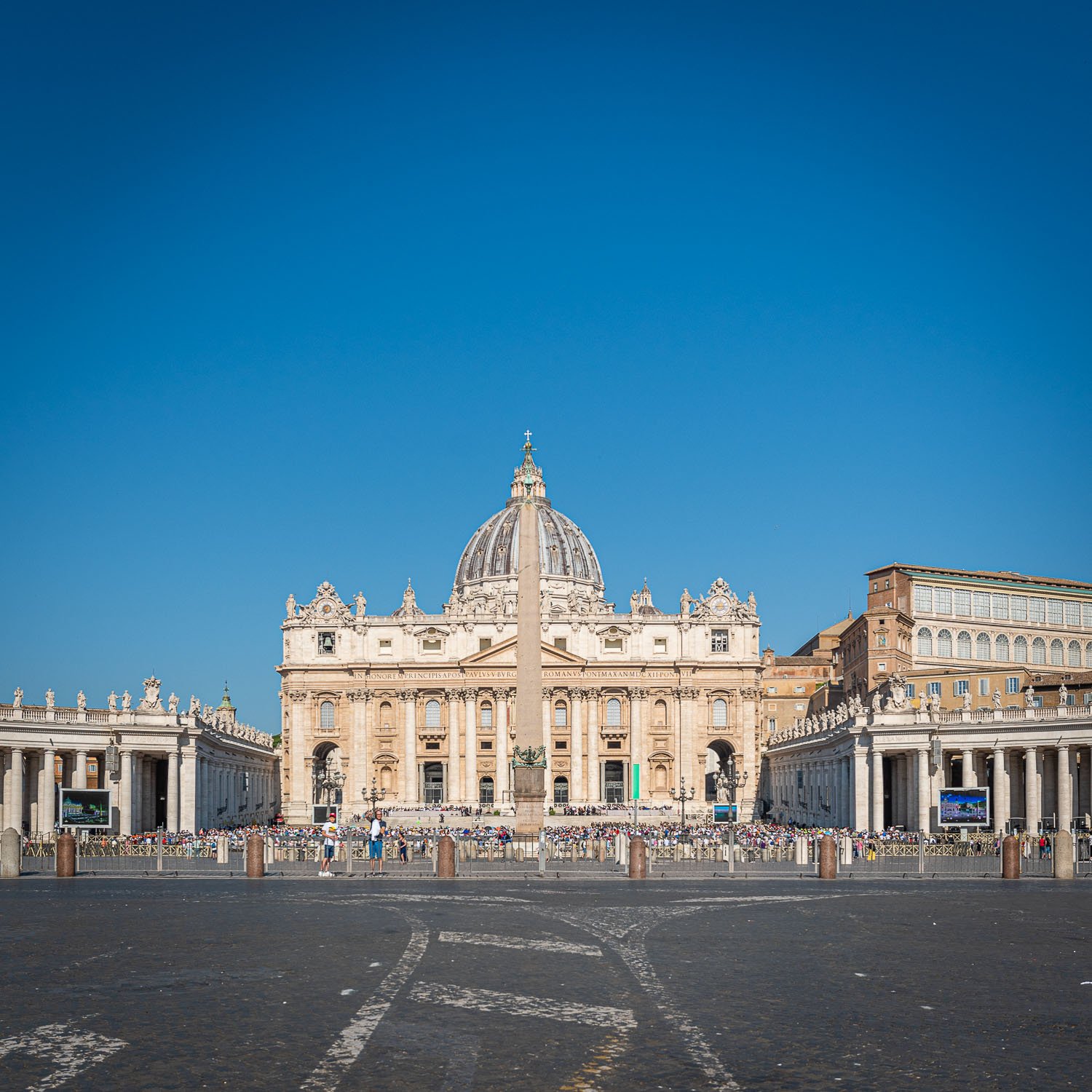
The Basilica With Small Crowds
Prior to the unification of Italy, the Pope ruled the Papal States, which had at times covered a large portion of the Italian peninsula. From the time that the country was unified in 1861 until the signing of The Lateran Treaty between the Holy See and the Kingdom of Italy, the situation was unclear and the influence the Vatican had over some or all of Italy was referred to as the “Roman Question”
This ambiguity became clearer on February 11, 1929 when the Lateran Treaty between the Holy See and the Kingdom of Italy was signed by Mussolini on behalf of King Victor Emmanuel III and by Cardinal Secretary of State Pietro Gasparri for Pope Pius XI. The treaty created the independent state of Vatican City.
The Vatican Museums
The Vatican Museums (Musei Vaticani) are the public museums of the Vatican City. They display works from the huge collection amassed by the Catholic Church and the Papacy throughout the centuries. I wrote previously about the Vatican Museums and Sistine Chapel, so please do take a look at that post and let me know what you think.
The Vatican Necropolis
The Vatican Necropolis is an ancient Roman burial ground dating back to the third century that lies up to 35 feet below Saint Peter’s Basilica and is said to contain the grave and remains of Saint Peter, who was martyred in 64AD. The word Necropolis is Greek and means City of the Dead.
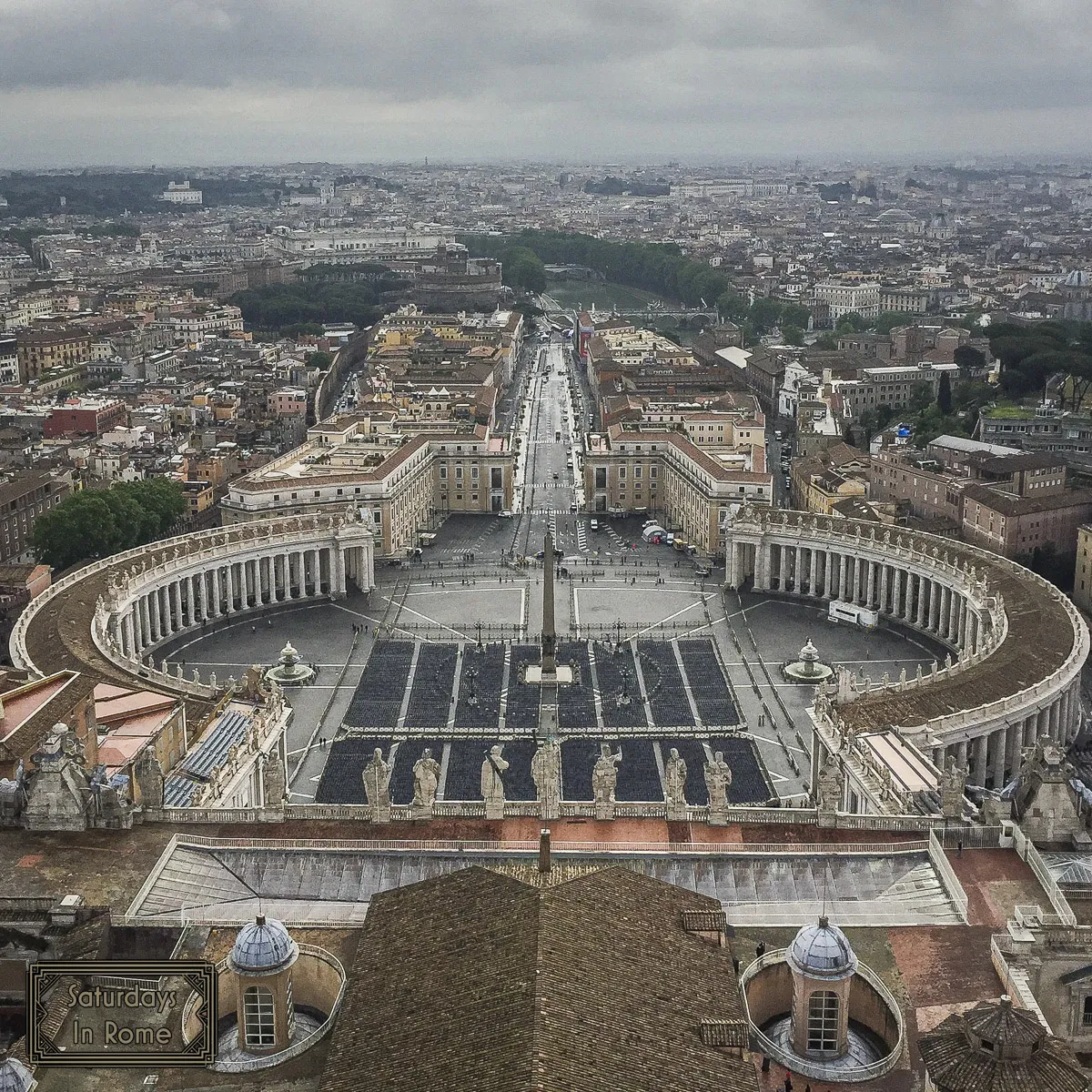
St. Peter’s Basilica
Saint Peter’s Basilica is the most important one in the Catholic world. It unites the religious faithful and lovers of art and is a major pilgrimage site for the Catholic faithful. It frequently draws crowds of tens of thousands, both in the basilica and its adjoining St. Peter’s Square, which are used for a number of masses and celebrations during the year that are presided over by the pope.
Climbing the Cupola, as seen in La Dolce Vita, is something that shouldn’t be missed if you can handle cramped spaces and a lot of stairs, because the views are amazing. The hours from April to September are 8:00 am – 6:00 pm. From October to March, 8:00 am – 4:45 pm. The cost is €10 if you want to use the elevator and only €8 if you can brave the stairs.
Borghese Gardens
Park History
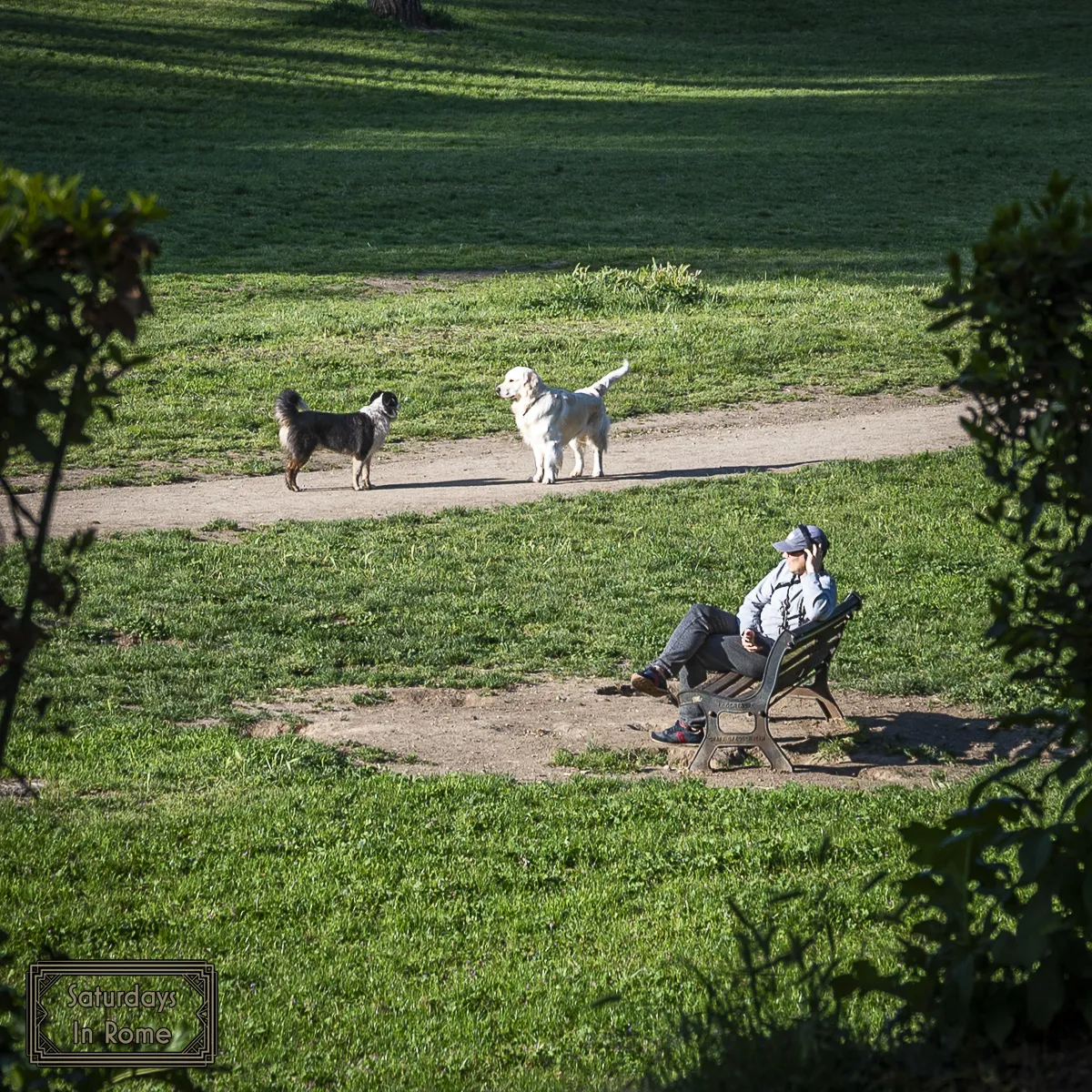
The park of Villa Borghese Gardens is a vast area in the heart of the city and is the most popular park in Rome. The villa itself contains buildings, sculptures, monuments and fountains. It includes work of Baroque, Neoclassical and Eclectic artists and the grounds are surrounded by trees, ponds, gardens and large open spaces.
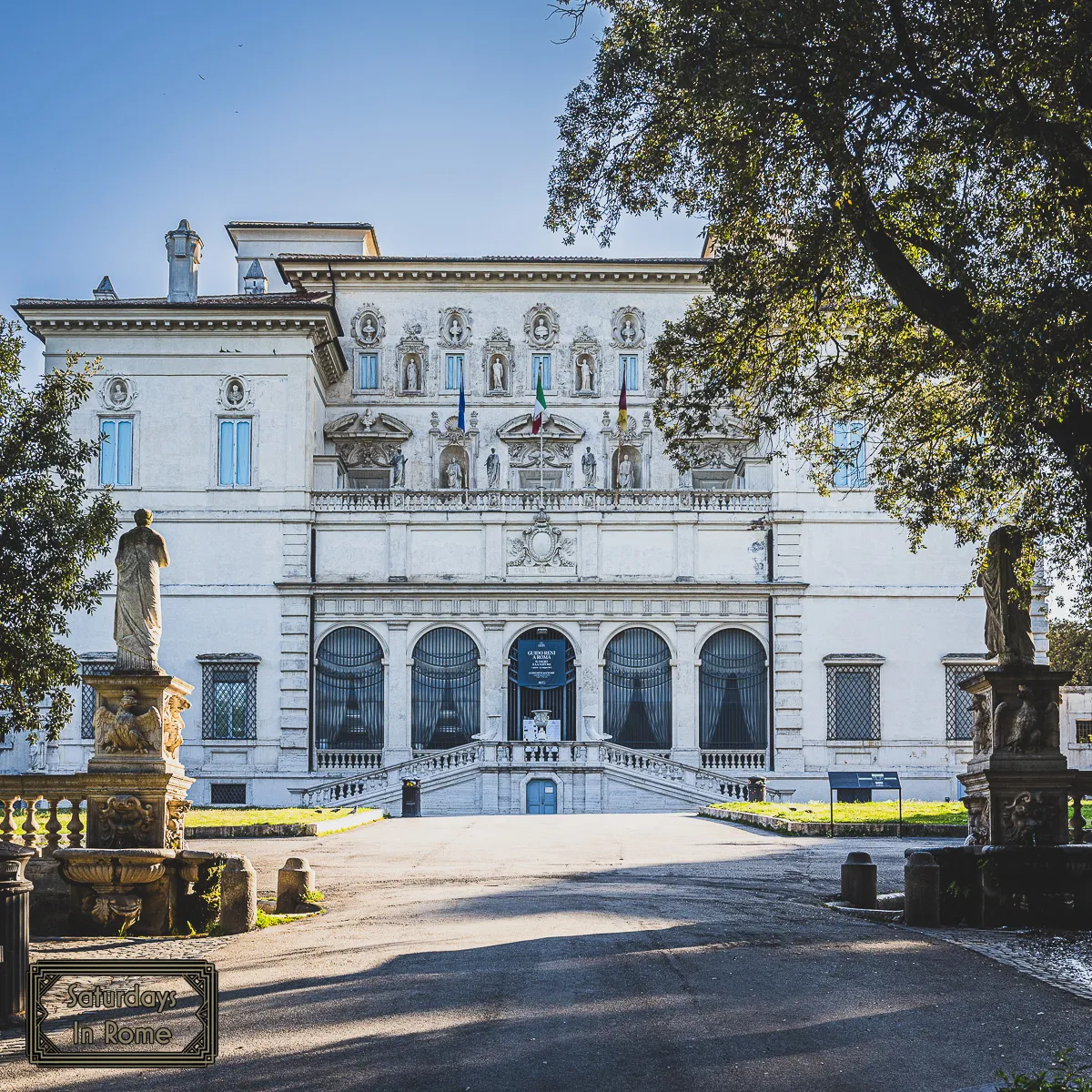
Galleria Borghese
Camillo and Francesco Borghese expanded the park in the 19th century and in 1903 the Villa was purchased by the Italian state and has been used as a public park ever since. The most beautiful spot of Villa Borghese, for us, is the Garden of the lake where it is possible to rent boats and paddle around surrounded by the most tranquil setting in Rome.
Within the grounds of the park is also Galleria Borghese, which is in the villa and there is an art gallery originally integrated into the gardens, but today is considered a separate attraction with, of course, additional costs. For me, the Caravaggio collection is worth the price of admission but there are also works by Rubens, Titian, Raphael and the sculpture Apollo and Daphne by Bernini.
What Can I Do In The Borghese Gardens?
In addition to taking a casual stroll through the park and seeing the museum, which you should definitely check out, it is easy to spend an afternoon in the park.
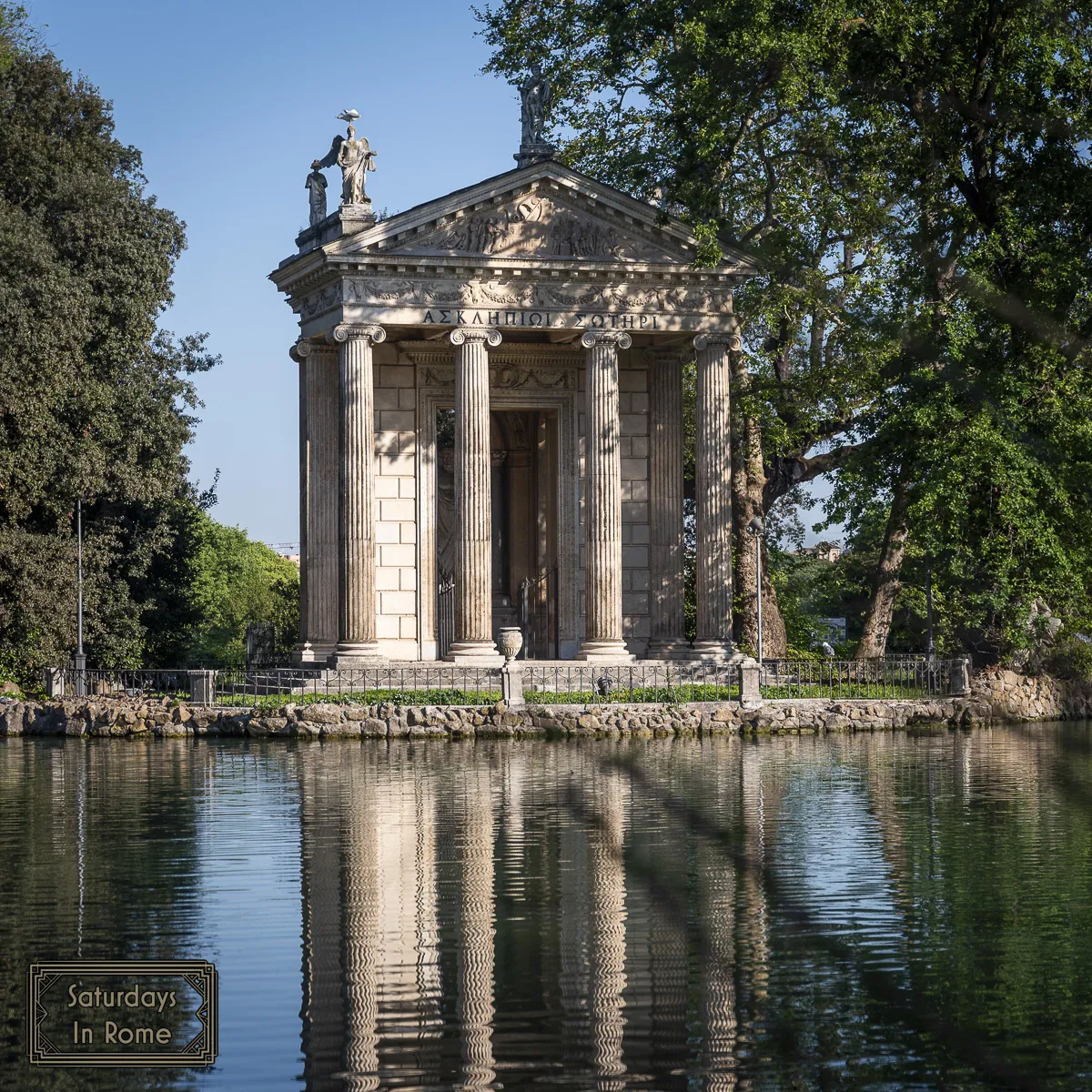
I mentioned above how you can rent a boat (read: tiny 2-person rowboat) which is inexpensive and has the fantastic view of the Temple of Aesculapius. You can also see a replica of Shakespeare’s Globe Theater, a Zoo, which was recently redesigned and a hydro-chronometer (water clock) built in 1873. If you get tired of walking, there are places to get a snack, a coffee or you can rent a bike or a cart.
Where Is The Park?
The Villa Borghese Gardens are located on Pincian Hill which is close to Spanish Steps and Piazza del Popolo. There are a number of ways to get to the park, depending on where you are and what you want to see. The easiest way to reach the Gallery is walking through Villa Borghese Gardens, which is a great way to spend a morning.
Rome Travel Itinerary Planning
I hope that this Rome travel itinerary meets your needs on your first trip to Rome. If not, make adjustments as necessary and pace yourself so that you can enjoy some of the greatest gifts to all of humanity! If you are looking for ideas for your second or third trip to Rome, check out these itineraries:
- Planning A Trip To Rome Is Easy With Our Complete Guide
- We Can Help You Decide Where To Stay In Rome
- The Best Hotels Near The Vatican In Rome, Italy To Consider
- The Italian Hotel Star Rating System Is A Traveler’s Friend
- Hotels Near Piazza Navona Rome That Are A Great Option
- Great 5-Star Hotels Near Pantheon Rome To Check Out
- Amazing Rome Hotels Near Termini Station For Consideration
- Planning A Trip To Rome Alone That Is Safe And Exciting
- Planning A Trip To Rome On A Budget Can Be Done Easily
- Rome, Italy On A Budget Is Possible With These Tips
- 12 Useful Things To Know Before Traveling To Rome, Italy
- 3-Day Rome Itinerary Plans For Your Third Visit To Italy
- Your Second Time In Rome Still Needs An Itinerary
- A Complete Packing List For Men Who Are Coming To Rome
- A Fall And Spring Packing List For Men Coming To Rome
- A Winter Packing List For Men Who Are Coming To Rome
- A Summer Packing List For Men Who Are Coming To Rome